
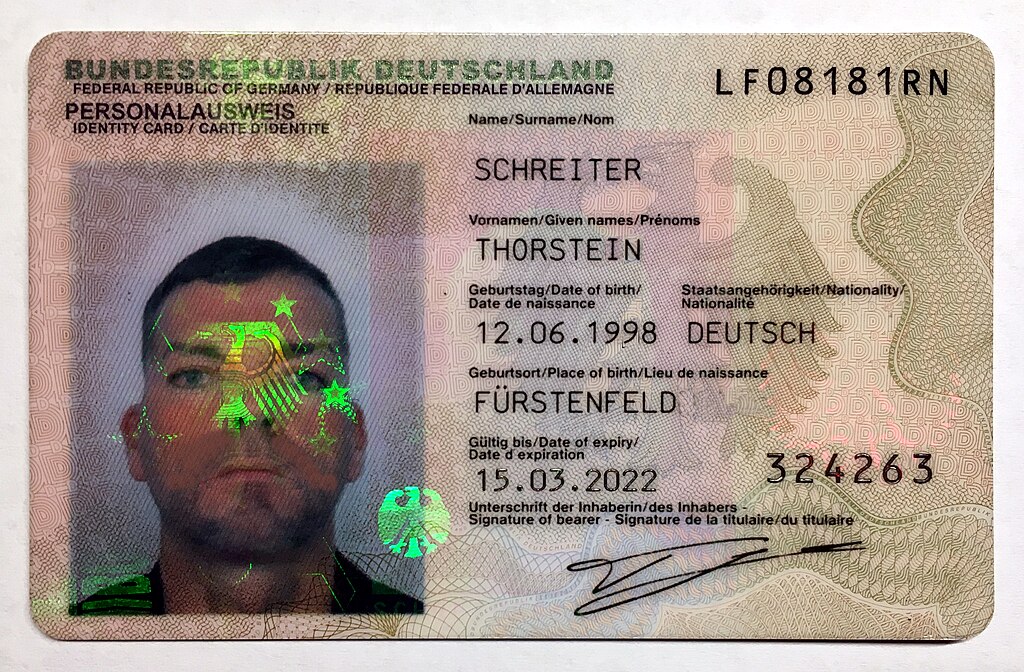
Buy a German ID | Germany Identity Card for Sale


Looking to buy a real German ID card online or a fake one? The German ID card (Personalausweis) is an essential official document for German citizens, providing proof of identity and nationality. This card is widely used in Germany and many other European Union countries for identification purposes, both domestically and internationally. In this guide, we’ll cover everything you need to know about the German ID card, how to apply for it, its benefits, and frequently asked questions.
German ID Card: A Complete Guide
What is the German ID Card?
The German ID card (Personalausweis) is an official identification document issued to German citizens. It serves as both proof of identity and nationality. The ID card includes personal details such as name, date of birth, and address, along with a photograph of the holder. It is recognized within Germany and across the European Union (EU) and can also be used for travel in certain countries.
In addition to its primary role as identification, the German ID card is also used for accessing various services, such as healthcare, voting, and signing official documents.
Eligibility for a German ID Card
1. German Citizens
The German ID card is available only to German citizens. Citizenship is typically acquired by birth, descent, or naturalization. If you are a German citizen, you are eligible to apply for a German ID card, provided you meet certain requirements.
2. Age Requirements
- Adults: The German ID card is issued to individuals aged 16 and above.
- Minors: Children under the age of 16 may apply for a German ID card with parental consent.
3. Dual Citizenships
If you have dual citizenship and one of your nationalities is German, you can apply for a German ID card. However, it’s important to note that your other nationality may affect how the card is issued or used.
How to Apply for a German ID Card
The process of applying for a German ID card is straightforward. The card is issued by the German government through local registration offices (Bürgeramt). The steps to apply for your German ID card include:
Step 1: Complete the Application Form
- The application form can be obtained at your local Bürgeramt or downloaded from the official German government website.
- You will need to fill in personal details such as your full name, date of birth, and address. The form is typically available in both German and English, but assistance can be provided if needed.
Step 2: Prepare Required Documents
You will need to provide the following documents to apply for your German ID card:
- Proof of German Citizenship: If you were born in Germany, your birth certificate or your German passport may suffice. If you are applying through naturalization, you will need to provide your naturalization certificate.
- Current Passport or ID Card: If applicable, a previous ID card or passport will be needed.
- Recent Passport-Style Photo: The photo should meet specific requirements, such as being in color with a clear, neutral expression.
- Proof of Residence: A document such as a rental contract or utility bill to prove your current address.
Step 3: Submit the Application
- Once you have filled out the form and gathered the required documents, you will need to submit your application in person at your local Bürgeramt.
- In some cases, you may need to make an appointment to avoid long waiting times. Many German municipalities offer online appointment scheduling for this purpose.
Step 4: Pay the Application Fee
- The cost for a German ID card typically ranges between €37 and €60 depending on your age and whether you are applying for a new card or replacing an expired one.
- You may be able to pay the fee in cash or via bank transfer at the Bürgeramt.
Step 5: Wait for Processing
- The processing time for a German ID card can take between 2 to 4 weeks, depending on the office and your location.
- Once your ID card is ready, you will be notified and can pick it up in person at the Bürgeramt.
Features and Security of the German ID Card
The German ID card is a highly secure and modern document. It includes a range of features designed to protect the identity of the holder and to prevent fraud:
1. Personal Information
The ID card contains the following personal details:
- Full name.
- Date of birth.
- Nationality.
- Gender.
- Photograph.
2. Embedded Microchip
The German ID card contains a microchip that stores digital information, including biometric data such as your facial image and fingerprint. This microchip allows for increased security and can be used for online authentication and electronic services.
3. Contactless Technology
The contactless function of the card allows it to be used for secure online identification, access to government services, and signing official documents. It can also be used for travel within the European Union.
4. Digital Signature
The card can be used for digital signatures, enabling secure, paperless transactions and legal documents within Germany and the EU. This makes it an important tool for e-government services.
German ID Card for Travel
While the German ID card can be used within Germany for identification purposes, it is also recognized as a valid travel document in certain countries, especially within the European Union.
1. Travel within the EU
The German ID card serves as a valid travel document within the EU. German citizens can travel to most EU countries and Schengen Area countries without needing a passport, as the ID card is accepted for entry and exit.
2. Travel outside the EU
In some countries outside the EU, the German ID card may not be accepted as a travel document, and a passport will be required. However, the ID card can still be used for identity verification and domestic travel within the Schengen Area and some non-EU countries.
Benefits of the German ID Card
The German ID card offers a variety of benefits, including:
- Proof of Identity and Nationality: The ID card is an official document used to prove your German citizenship and identity in various situations.
- Access to Government Services: The card can be used for accessing government services, such as healthcare, voting in elections, and signing official documents.
- Security Features: The microchip embedded in the card provides enhanced security, protecting you from identity theft and fraud.
- Travel Within the EU: The German ID card enables easy travel within the EU and the Schengen Area, eliminating the need for a passport in many cases.
- Digital Services: The ID card can be used for secure online authentication and accessing digital services, such as banking, government services, and online voting.
Replacing or Renewing a German ID Card
If your German ID card is lost, stolen, or expired, you will need to apply for a replacement or renewal. The process is similar to applying for a new ID card:
1. Lost or Stolen ID Card
- Report the loss or theft to the local police and apply for a new ID card at your Bürgeramt. You may need to provide proof of your identity and citizenship.
2. Renewing an Expired ID Card
- German ID cards are valid for 10 years for adults. You will need to renew your ID card before it expires. The renewal process typically requires an appointment at the Bürgeramt and submission of the same documents as when applying for a new card.
Conclusion
The German ID card is a crucial document for German citizens, providing official proof of identity, nationality, and access to various services. With its security features, including the embedded microchip and biometric data, the ID card is a modern and highly secure form of identification. Whether you’re applying for a new card, renewing, or replacing a lost one, understanding the process and benefits of the German ID card ensures you have all the necessary information to navigate this essential document.
Be the first to review “Buy a German ID | Germany Identity Card for Sale”
Related products

Buy ID Card
Buy ID Card
Buy ID Card
Buy ID Card
Buy ID Card
Buy ID Card
Reviews
There are no reviews yet.