
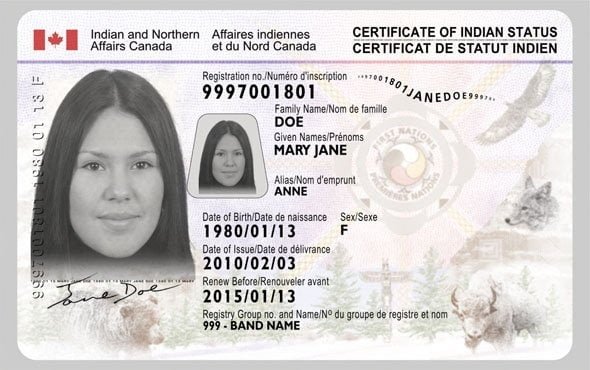
Buy a Canadian ID | Canada Identity Card for Sale
Looking to buy a real or fake Canadian ID card online? We offer high-quality novelty Canadian identification cards that are indistinguishable from the real ones. A Canadian ID card serves as an official government-issued document that proves your identity and, in some cases, your residency status in Canada. While Canada does not have a national ID card system like some countries, provincial and territorial ID cards are available and widely used for identification purposes. In addition, other official documents such as the Canadian passport, driver’s license, and health card also serve as forms of identification.
Canadian ID Card: A Complete Guide
A Canadian ID card serves as an official government-issued document that proves your identity and, in some cases, your residency status in Canada. While Canada does not have a national ID card system like some countries, provincial and territorial ID cards are available and widely used for identification purposes. In addition, other official documents such as the Canadian passport, driver’s license, and health card also serve as forms of identification.
Types of Canadian ID Cards
Canada does not have a single national identity card, but there are several provincial and territorial identity cards that function as official IDs. Here are some of the most common types of ID cards used in Canada:
1. Provincial/Territorial ID Cards
Each province and territory in Canada issues its own government-issued ID cards. These cards are typically used by residents who do not drive but still require an official photo ID for identification purposes. They can be used for a variety of services, such as:
- Proving your identity for legal, banking, or employment purposes
- Accessing healthcare services
- Confirming your age for purchasing alcohol or tobacco
Some examples of provincial and territorial ID cards include:
- Ontario Photo Card: Issued by the Ontario government to non-drivers.
- British Columbia Identification Card (BCID): A photo ID issued by the provincial government of British Columbia.
- Alberta Identification Card (ID): Available to Alberta residents who do not drive.
- Quebec Health Insurance Card: Although primarily for health services, the RAMQ card can be used as a proof of identity in some situations in Quebec.
- Manitoba Identification Card: Issued to residents of Manitoba.
Each province and territory has specific requirements for obtaining an ID card, but they all require basic documentation such as proof of residency, citizenship, and identity.
2. Canadian Passport
While not typically referred to as a “Canadian ID card,” the Canadian passport is an internationally recognized proof of identity and nationality. It is used for travel purposes and can also serve as a secondary identification document for Canadian citizens.
3. Driver’s License
A Canadian driver’s license serves as a primary form of photo ID in Canada. It is available to those who are of legal driving age and have passed the necessary driving tests. A driver’s license is widely accepted for identification purposes in both Canada and other countries, and it is often used as the most common form of ID for Canadian residents.
4. Health Card (in some provinces)
In certain provinces like Ontario and Quebec, a health card is issued to residents to access medical services. While primarily for healthcare, the health card can sometimes be used as an alternative form of identification. However, it is generally not accepted as a standalone photo ID for activities such as voting or bank transactions.
How to Apply for a Canadian ID Card
The process for obtaining a provincial or territorial ID card in Canada is fairly straightforward but varies depending on where you live. Below is an overview of the general steps you may need to follow to apply for a Canadian ID card:
Step 1: Check Eligibility
To apply for an ID card, you generally need to be a Canadian citizen, permanent resident, or a valid visitor in the country, depending on the specific requirements of the province or territory you live in.
You also need to meet the following criteria:
- Be a resident of the province or territory where you are applying.
- Be of the required minimum age (typically 16 or older).
- Provide proof of your identity and residency.
Step 2: Gather the Required Documents
You will need to provide several documents to prove your identity and residency. The required documents generally include:
- Proof of identity: Birth certificate, passport, or immigration papers.
- Proof of residency: Utility bills, rental agreements, or tax documents.
- Proof of legal status in Canada: If you’re not a Canadian citizen, you may need to provide proof of your permanent residency or temporary status.
Step 3: Submit Your Application
Once you’ve gathered the necessary documents, you can submit your application in person at the provincial or territorial office (e.g., ServiceOntario, Service Canada, or the equivalent in your region). Some provinces may also allow you to apply online or via mail.
Step 4: Provide Biometrics
In most cases, when applying for a photo ID card, you will need to have your photo taken, and in some instances, you may be asked to provide fingerprints for biometric identification.
Step 5: Wait for Processing
After submitting your application and documents, the processing time for your Canadian ID card can vary. In many provinces, you will receive your new ID card within 4 to 6 weeks, although expedited options may be available in certain situations.
Step 6: Receive Your ID Card
Once your application is processed, you will receive your official provincial ID card in the mail. It will include your name, photo, date of birth, and address.
Canadian ID Card for Non-Residents
If you are a temporary resident in Canada (such as a student or worker), you can still apply for certain forms of ID, such as a provincial ID card or a health card, provided you meet the residency requirements set by the province or territory.
For non-residents, the Canadian passport serves as the primary official form of photo identification for those who are in Canada temporarily. A work permit or study permit may also be used as supporting documents to obtain a health card or other forms of provincial ID.
Using Your Canadian ID Card
A provincial or territorial ID card is generally accepted as a valid form of identification within Canada and can be used for a variety of purposes, including:
- Opening a bank account or accessing financial services
- Buying alcohol or tobacco (if you’re of legal age)
- Voting in provincial or territorial elections (although a national voter ID card may be needed in some regions)
- Traveling domestically (e.g., for domestic flights)
- Proof of address for various applications (e.g., employment, rental agreements)
While provincial ID cards are primarily for domestic use, certain provinces and territories offer inter-provincial recognition, meaning they can be used across the country to prove identity, but they may not always be accepted internationally. For international travel, the Canadian passport is the best form of identification.
Security Features of Canadian ID Cards
Canadian ID cards contain several security features to prevent fraud and ensure that they are only used by the rightful holder. Common features include:
- Photographs and biometric data to confirm identity
- Holograms and watermarks to prevent counterfeiting
- Barcodes and magnetic strips that can store relevant data
- UV-sensitive ink that is only visible under ultraviolet light
These features help make Canadian ID cards secure and difficult to replicate, ensuring that they are used as trusted forms of identification.
Conclusion
Although Canada does not have a national ID card system, a variety of provincial and territorial ID cards are available, along with other forms of official identification like the Canadian passport and driver’s license. These ID cards serve as valid proof of identity for a wide range of purposes, from opening a bank account to voting in local elections.
The process to obtain a Canadian ID card is relatively simple, but it does require the right documentation and residency status. Whether you’re a Canadian citizen, permanent resident, or temporary resident, having a Canadian ID card provides convenient access to important services and helps you navigate daily life with a secure and recognized form of identification.
Be the first to review “Buy a Canadian ID | Canada Identity Card for Sale”
Related products
Buy ID Card
Buy ID Card
Buy ID Card
Buy ID Card
Buy ID Card
Buy ID Card
Buy ID Card
Reviews
There are no reviews yet.