
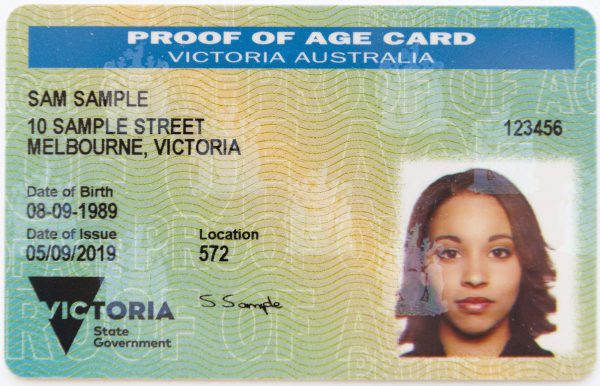
Buy an Australian ID | Australia Proof of Age Card for Sale
Looking to buy an Australian ID card online? We offer both the real genuine one and the fake novelty one. An Australian ID card is an official document that serves as proof of identity for Australian citizens and residents. While Australia does not have a national ID card system like some other countries, there are several forms of identification that can serve as proof of identity, including state-issued identity cards, driver’s licenses, and passports. In this guide, we’ll explore the various ID options available in Australia, how to apply for them, and the requirements for each type of ID.
Australian ID Card: Everything You Need to Know
An Australian ID card is an official document that serves as proof of identity for Australian citizens and residents. While Australia does not have a national ID card system like some other countries, there are several forms of identification that can serve as proof of identity, including state-issued identity cards, driver’s licenses, and passports. In this guide, we’ll explore the various ID options available in Australia, how to apply for them, and the requirements for each type of ID.
Types of Australian ID Cards
Although there isn’t a single national ID card in Australia, there are several state-issued ID cards that serve as proof of identity. Here are the most common forms of ID cards available in Australia:
1. State-Issued ID Cards
Each state and territory in Australia has its own identity card system that is issued to residents who do not drive. These cards are primarily used for identification purposes and can be used to prove age, identity, and residency.
- New South Wales (NSW): The NSW Photo Card is available for people who do not hold a driver’s license. It is issued by the Roads and Maritime Services (RMS) and serves as an official form of identification.
- Victoria (VIC): The Victorian Proof of Age Card is available to residents who do not hold a driver’s license. It’s issued by VicRoads and can be used as ID in various situations.
- Queensland (QLD): The Queensland Adult Proof of Age Card is issued by Queensland Transport and serves as identification for non-drivers.
- South Australia (SA): The South Australian Photo Card is available to residents aged 18 and over who do not drive, issued by the Department of Planning, Transport, and Infrastructure (DPTI).
- Western Australia (WA): The WA Proof of Age Card is issued to individuals who do not have a driver’s license, provided by ServiceWA.
- Tasmania (TAS): Tasmania offers the Tasmanian Proof of Age Card for those who do not hold a driver’s license.
- Northern Territory (NT): The NT Proof of Age Card is issued to residents by Service NT.
- Australian Capital Territory (ACT): The ACT Proof of Age Card is available for people who are aged 18 or older.
2. Driver’s License
A driver’s license in Australia is one of the most common forms of identification for both drivers and non-drivers. It serves as proof of identity, date of birth, and address. If you hold a driver’s license, it can be used as an ID card in most situations, including when purchasing alcohol or cigarettes, or when accessing services that require proof of age.
3. Australian Passport
While an Australian passport is primarily used for international travel, it is also one of the most reliable forms of proof of identity within Australia. An Australian passport includes the holder’s name, photo, date of birth, nationality, and other personal information. It’s accepted globally as an official document and can also be used domestically for various identity-verification purposes.
How to Apply for an Australian ID Card
The process for obtaining an Australian ID card varies by state or territory. Below is an overview of the general application process for state-issued ID cards:
1. Eligibility Requirements
To apply for an Australian state-issued Photo ID card, you must meet the following general requirements:
- Age: Most states require you to be at least 16 or 18 years old to apply for a photo ID card. However, the specific minimum age may vary by state or territory.
- Australian Citizenship or Residency: You need to be a citizen or permanent resident of Australia to apply for a state-issued ID card. Some states may also allow temporary residents to apply under specific circumstances.
- Proof of Identity: You must provide proof of identity, such as a birth certificate, passport, or another government-issued document.
- Proof of Address: Some states may require proof of your current address in Australia, such as a utility bill or rental agreement.
2. Application Process
The general steps to apply for a state-issued ID card are:
- Prepare the Required Documents:
- You will need proof of identity (birth certificate, passport, etc.) and proof of address (utility bill, lease agreement, etc.).
- If you’re a new resident or non-citizen, you may also need to provide additional documents, such as a visa or residence permit.
- Visit the Relevant Office:
- Applications for photo ID cards are typically submitted in person at the relevant state or territory government office, such as a Service Center or Transport Department.
- Submit the Application:
- Complete the required application forms and submit your documents. Some states may allow you to apply online, while others require in-person visits.
- Pay the Fee:
- A fee is typically required for the issuance of an ID card, which varies by state or territory. The fee is usually between $20 and $50, depending on the location and the length of validity of the card.
- Photograph and Signature:
- During the application process, you will need to have your photograph taken and signature captured for the card.
- Wait for Processing:
- Once your application is submitted, processing times can vary. Generally, you can expect to receive your ID card within 2-4 weeks, depending on the state or territory.
3. Receive Your Australian ID Card
After your application is processed and approved, you will receive your Australian ID card in the mail. If you applied in person, you may be given a temporary ID until your official card is ready.
How to Replace or Renew Your Australian ID Card
If your Australian ID card is lost, stolen, or damaged, you will need to apply for a replacement. The process for replacing your ID card is similar to applying for a new one. You will need to:
- Report your lost or stolen card to the relevant authorities (some states require this).
- Submit a replacement application and provide the necessary documents.
- Pay the replacement fee.
For renewal of your ID card, most states require you to renew your card before it expires. The renewal process typically involves:
- Submitting an application for renewal.
- Providing updated proof of identity and address (if required).
- Paying the renewal fee.
Australian ID Card for International Visitors
Australia also offers identification services for international visitors. Tourists can use a passport for identification, or in some cases, a drivers’ license from their home country. Some states offer temporary proof of age cards for travelers, though this varies by region.
Benefits of Having an Australian ID Card
While Australia does not have a national ID card system, there are numerous benefits to obtaining a state-issued photo ID card or using a driver’s license as your primary identification:
- Proof of Identity: Essential for banking, voting, accessing government services, and proving your identity.
- Proof of Age: If you do not have a driver’s license, a state-issued ID card can serve as proof of age when purchasing alcohol, tobacco, or accessing age-restricted venues.
- Convenience: For non-drivers, having a state-issued photo ID card ensures you have a convenient and government-approved form of identification.
- Safety and Security: State-issued IDs have security features, such as holograms and barcodes, to help protect against identity theft and fraud.
Conclusion
While Australia does not have a single national ID card, state-issued photo ID cards serve as a primary means of proving identity for residents who do not hold a driver’s license. These ID cards can be used for various purposes, including accessing government services, purchasing age-restricted goods, and proving your identity. Whether you are an Australian citizen, a permanent resident, or a temporary resident, applying for a state-issued ID card is a straightforward process that involves preparing the required documentation and submitting an application at the appropriate government office.
Be the first to review “Buy an Australian ID | Australia Proof of Age Card for Sale”
Related products
Buy ID Card

Buy ID Card
Buy ID Card
Buy ID Card
Buy ID Card
Buy ID Card
Buy ID Card
Buy ID Card
Reviews
There are no reviews yet.