
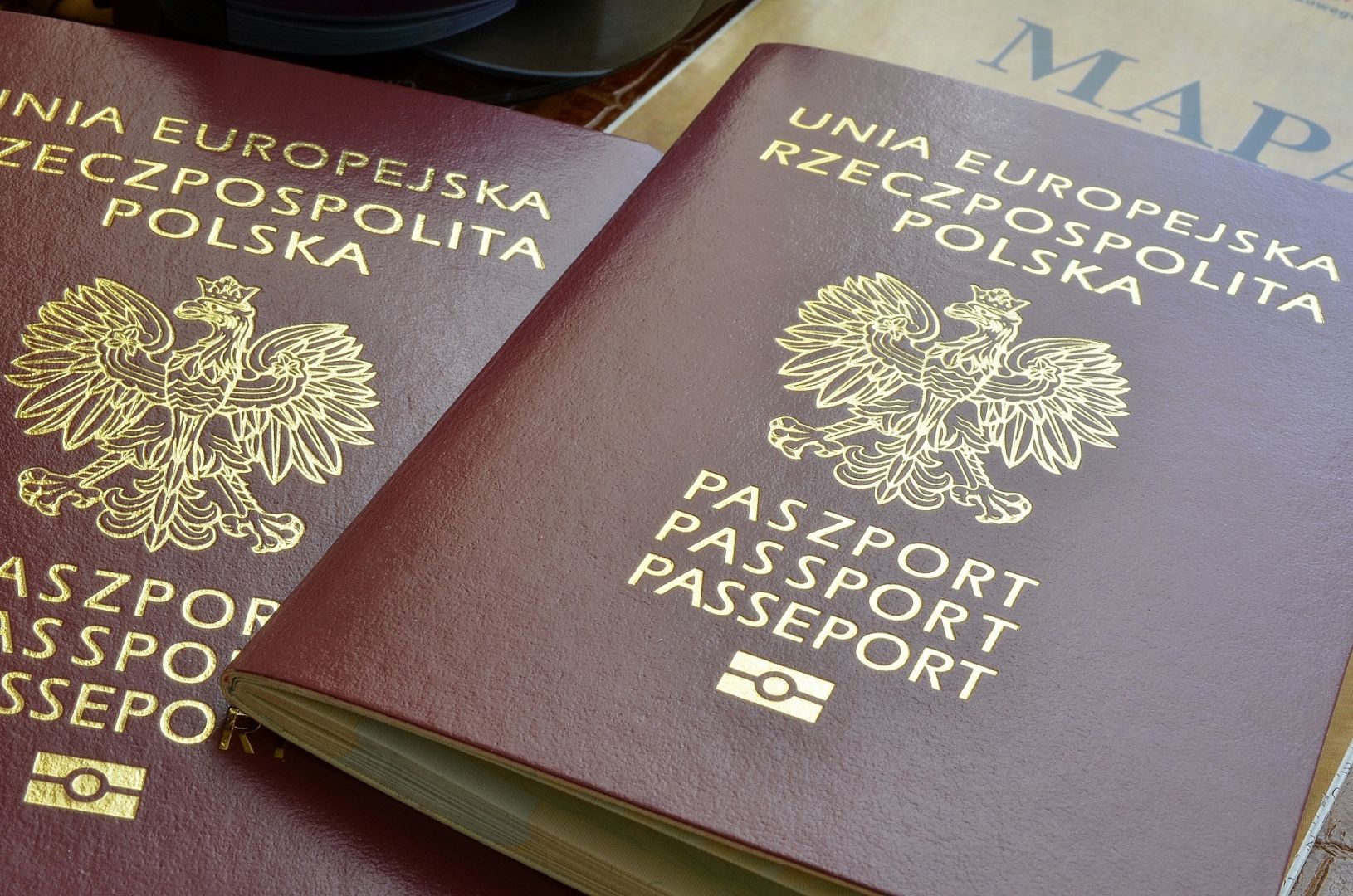
Buy a Polish Passport (Poland)
Looking to buy a real registered or fake novelty Polish passport online? The Polish passport (Paszport) is an essential document for Polish citizens who need to travel internationally. It serves as an official recognition of Polish citizenship and provides access to various rights, including the ability to travel freely across many countries. Whether you’re a Polish citizen applying for your first passport, renewing an old one, or simply learning more about the document, this comprehensive guide covers everything you need to know about the Polish passport.
Polish Passport: Everything You Need to Know
What is the Polish Passport?
The Polish passport is a travel document issued by the Polish Ministry of Foreign Affairs (Ministerstwo Spraw Zagranicznych) to Polish citizens. It serves as both proof of Polish nationality and identity when traveling abroad. The Polish passport is highly recognized within the European Union (EU) and beyond, allowing for visa-free travel to many countries, including those within the EU, the United States, and Canada.
A Polish passport also provides the holder with consular protection and assistance from Polish embassies or consulates while abroad.
Types of Polish Passports
There are different types of Polish passports, depending on the applicant’s needs and status:
1. Standard Polish Passport (Passport Biometric)
- This is the most common type of passport and is issued to regular Polish citizens.
- It is a biometric passport, containing an embedded microchip that holds the passport holder’s personal data, photograph, and fingerprints for security purposes.
- It is valid for 10 years for adults and 5 years for children under the age of 13.
2. Temporary Polish Passport
- A temporary passport is issued in cases where a regular passport cannot be obtained in time, such as in urgent situations.
- This passport is valid for a shorter period, usually up to 12 months, and is typically issued by Polish consulates abroad in cases of emergency.
3. Polish Diplomatic Passport
- The diplomatic passport is issued to Polish diplomats, government officials, and other individuals working on behalf of the Polish government.
- This passport allows its holder to benefit from certain privileges, such as diplomatic immunity and special travel privileges.
4. Service Passport
- The service passport is issued to individuals who represent the Polish government on official missions.
- Similar to the diplomatic passport, it offers certain benefits and allows for easier travel for official purposes.
Eligibility for a Polish Passport
To be eligible for a Polish passport, applicants must meet the following requirements:
1. Polish Citizenship
- Only Polish citizens are eligible to apply for a Polish passport. If you are a citizen of Poland, whether by birth or naturalization, you can apply for a passport.
2. Age
- There are no specific age restrictions for applying for a Polish passport. However, minors (children under 18) need to apply with the consent of both parents or legal guardians.
- The validity of a passport differs based on age:
- Adults (18 years and older): Passport is valid for 10 years.
- Minors (under 18): Passport is valid for 5 years.
3. Required Documents
- Applicants must provide proof of their Polish citizenship (e.g., Polish birth certificate, Polish ID card, or previous Polish passport).
- Proof of identity, such as a birth certificate (for first-time applicants) or identity card.
- For minors, parental consent and identification of the parents are required.
- Passport-style photographs that meet the specific Polish passport standards (clear, color photo with a white background).
- Proof of residence if applying abroad (e.g., residence permit in the country of residence).
How to Apply for a Polish Passport
Step 1: Complete the Application Form
- The first step in applying for a Polish passport is to fill out the passport application form. This can be done online through the Ministry of Foreign Affairs website or at a local Polish consulate if applying abroad.
Step 2: Prepare Required Documents
- Gather all necessary documentation:
- Proof of Polish citizenship (e.g., birth certificate or previous passport).
- A passport photo that adheres to Polish passport guidelines.
- Proof of identity (e.g., Polish ID card or national document).
- Proof of residence (for applicants living abroad).
Step 3: Submit Your Application
- In Poland: Submit your application at a voivodeship office (Wojewódzki Urząd) or a municipal office (Urząd Miasta).
- Abroad: Submit your application at the nearest Polish consulate or embassy in your country of residence.
- At the time of submission, you will be required to provide biometric data, which includes a digital photo and fingerprints.
Step 4: Pay the Fees
- The cost for a Polish passport varies based on the applicant’s age and the processing speed. The standard processing fee is around €50-€150 depending on the location (whether applying in Poland or abroad).
Step 5: Wait for Processing
- After submitting your application, the passport processing time is typically 4 to 6 weeks in Poland and may take longer if applying abroad.
- If you require a temporary passport due to urgency, it can usually be processed much faster (within a few days to a week).
Step 6: Receive Your Passport
- Once your passport is ready, you will be notified by the Polish consulate or local office. You can pick up your passport in person or have it mailed to you, depending on the options provided.
Features of the Polish Passport
Polish passports include several advanced security features to prevent fraud and counterfeiting:
- Biometric Information
- The microchip embedded in the passport stores biometric data, including the holder’s photograph and fingerprints.
- Personal Details
- The passport includes key personal information such as the holder’s name, date of birth, nationality, and passport number.
- Holograms
- A variety of holograms are integrated into the passport to enhance security and make the document difficult to counterfeit.
- RFID Technology
- The embedded RFID chip is used for electronic verification and border control to ensure the passport holder’s identity.
- Visa Pages
- The passport contains multiple visa pages for immigration stamps and visas required for travel to foreign countries.
- Watermarks and Microprinting
- Special watermarks and microprinting on the pages of the passport further enhance its security and prevent fraudulent reproduction.
Traveling with a Polish Passport
Polish passport holders benefit from visa-free travel to many countries worldwide, including all Schengen Area countries and many non-EU nations. In addition, as Poland is an EU member, Polish citizens have access to various privileges, such as:
- The right to live, work, and study in any EU member state.
- The ability to travel freely within the Schengen Area without border checks.
- Consular assistance from Polish embassies and consulates abroad in case of emergencies or legal issues.
Renewing a Polish Passport
A Polish passport must be renewed after it expires or if there are significant changes in personal details (e.g., name change). The renewal process is similar to applying for a new passport but often requires fewer documents if you are renewing before the expiration date.
- You can start the process 6 months before your passport expires.
- Provide your current passport as part of the renewal.
- Submit biometric data (if required) and pay the renewal fee.
Lost or Stolen Polish Passport
If your Polish passport is lost or stolen, you must report it immediately to the local police and the Polish consulate if you’re abroad. You will need to apply for a replacement passport and provide necessary documents, such as:
- Police report confirming the loss or theft.
- Proof of identity (e.g., Polish ID card, birth certificate).
- Proof of Polish citizenship (if applicable).
Conclusion
The Polish passport is a powerful travel document that grants access to many international rights and privileges. Whether you’re applying for a first-time passport, renewing an existing one, or replacing a lost passport, the process is relatively straightforward. With advanced biometric and security features, the Polish passport ensures the safety of its holders and allows for convenient and efficient international travel.
Be the first to review “Buy a Polish Passport (Poland)”
Related products
Buy Passports
Buy Passports
Buy Passports
Buy Passports
Buy Passports

Buy Passports
Buy Passports
Buy Passports
Reviews
There are no reviews yet.