
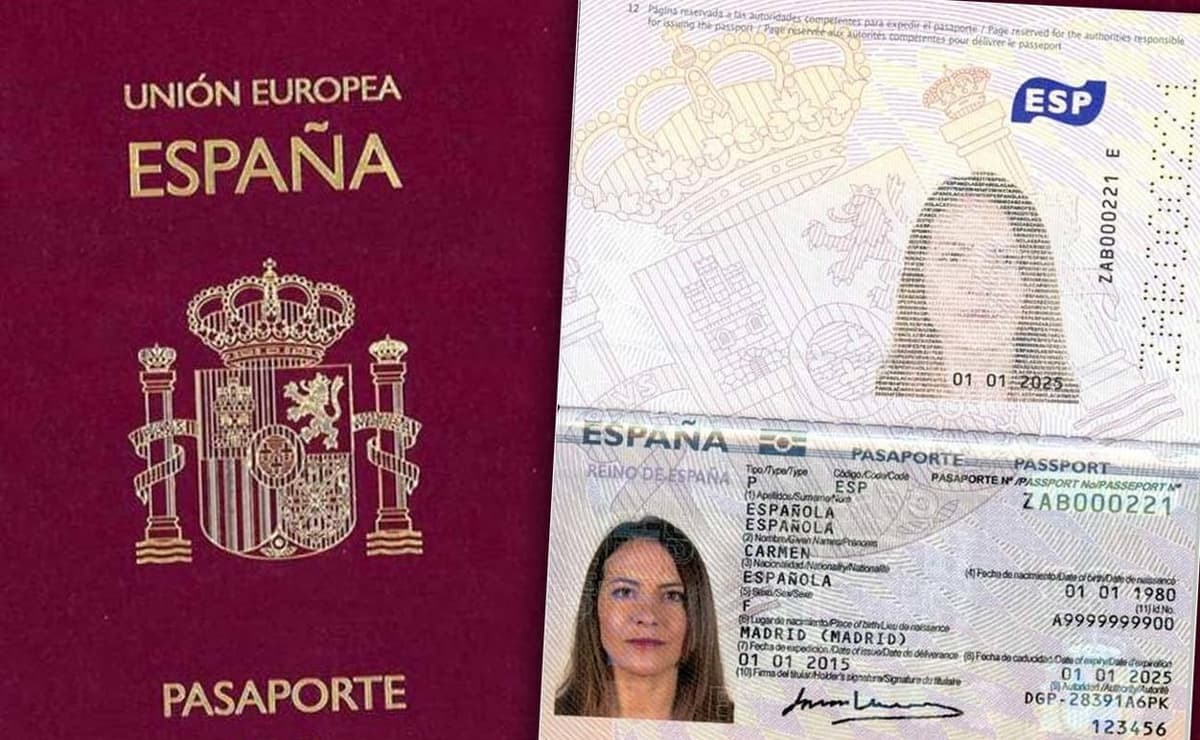
Buy a Spanish Passport (Spain)

Looking to buy a real registered or a fake Spain passport? The Spanish passport is an essential document for Spanish citizens, granting them the right to travel internationally, access consular services, and prove their nationality. It is recognized worldwide as one of the most powerful passports, providing visa-free or visa-on-arrival access to numerous countries.
If you’re a Spanish citizen or planning to apply for a Spanish passport, this comprehensive guide will provide all the details you need. From eligibility to application steps, renewal, and the benefits of holding a Spanish passport, we will cover everything you should know.
Spanish Passport: A Complete Guide
What Is a Spanish Passport?
A Spanish passport is an official travel document issued to Spanish citizens by the Spanish Government, specifically through the Ministry of Foreign Affairs. It serves as proof of Spanish nationality and allows citizens to travel internationally while enjoying the protection of Spanish consular authorities in case of emergencies.
There are two main types of Spanish passports:
- Standard Passport: This is the most common type and is issued to adult citizens.
- Child Passport: Issued to minors under the age of 18. It typically lasts for 5 years.
Why Is the Spanish Passport Important?
The Spanish passport provides several significant benefits to its holders:
- Visa-Free Travel: One of the major advantages of the Spanish passport is its high mobility. Spanish passport holders can travel to more than 180 countries without needing a visa or with visa-on-arrival access.
- European Union (EU) Citizenship: As a Spanish citizen, you are also a citizen of the European Union. This grants you the right to live, work, and study in any EU country, as well as vote in local elections within the EU.
- Consular Protection: Spanish citizens abroad can seek assistance from Spanish embassies or consulates in case of emergencies, including lost passports, legal issues, or evacuation.
- Social Benefits: Spanish citizens have access to a wide range of public services, such as health care, education, and social security, both in Spain and within the EU.
- Ease of Travel within the EU/EEA: Since Spain is a member of the European Union, its passport holders enjoy unrestricted travel, residency, and employment rights within the EU and the European Economic Area (EEA).
Who Is Eligible for a Spanish Passport?
To be eligible for a Spanish passport, you must meet the following criteria:
- Spanish Citizenship: Only Spanish citizens are eligible to apply for a Spanish passport. There are several ways to acquire Spanish citizenship:
- By Birth: Spanish citizens by birth, either born in Spain or born abroad to Spanish parents.
- By Descent: If you are a descendant of Spanish nationals, you may be eligible for citizenship, even if you were born outside of Spain.
- By Naturalization: If you have legally resided in Spain for a certain number of years (usually 10, or 1-2 years for citizens of former Spanish colonies).
- By Marriage: If you are married to a Spanish citizen for at least one year, you can apply for citizenship.
- By Option: This is an option for children born in Spain to foreign parents who have lived there for a certain period or have Spanish grandparents.
- Legal Residency: If you are applying for citizenship based on residency, you must have legally lived in Spain for the required duration (usually 10 years for non-EU citizens, or shorter for certain countries).
How to Apply for a Spanish Passport
Step 1: Obtain Spanish Citizenship
If you are not yet a Spanish citizen, the first step in getting a Spanish passport is to apply for and acquire Spanish nationality. This process can be complex, depending on your specific situation (i.e., by birth, descent, or naturalization).
For example:
- Naturalization: You must have legally lived in Spain for 10 years (or a shorter period for certain countries) before applying for citizenship.
- Marriage: After one year of marriage to a Spanish citizen, you may apply for citizenship.
- Descent: Spanish nationality can be obtained by proving your family’s Spanish origins.
Once you are granted Spanish citizenship, you are eligible to apply for a Spanish passport.
Step 2: Book an Appointment
To apply for a Spanish passport, you will need to make an appointment at your local Police Station (Comisaría de Policía) or the Civil Registry (Registro Civil), depending on your region. You can book the appointment online through the official government website or by visiting the relevant office.
Step 3: Prepare Required Documents
The required documents for applying for a Spanish passport include:
- Proof of Spanish Citizenship: This could be your DNI (National Identity Card) if you’re a resident, or a birth certificate or naturalization certificate.
- Valid Identification: A passport-size photograph (with specific requirements).
- Proof of Identity: A government-issued identification document such as your DNI (National Identity Card) or Foreign ID Card if you are a resident of Spain.
- Payment: The passport application fee, which typically costs between €30 to €40 for adults and less for children.
Step 4: Submit the Application
After gathering all necessary documents, visit your designated office and submit your application. You will need to:
- Fill out the passport application form.
- Provide biometric data, such as fingerprints.
- Provide a recent passport-style photograph (complying with official specifications).
- Pay the passport fee.
Step 5: Wait for Processing
Once the application is submitted, it typically takes around 2 to 6 weeks for your passport to be processed, although the exact time may vary depending on the office and current demand.
Step 6: Pick Up Your Spanish Passport
When your passport is ready, you will be notified to pick it up. You may need to present your application receipt, proof of identity, and possibly your DNI to collect it.
Validity and Renewal of a Spanish Passport
- Adults: The Spanish passport for adults is valid for 10 years. After this period, you must renew it.
- Minors: The passport for children under 30 years old is valid for 5 years, and it must be renewed when it expires.
To renew a Spanish passport, you will need to repeat the application process, providing updated photographs and paying the renewal fee. The renewal process is typically easier than the initial application and does not require new citizenship proof.
Benefits of Holding a Spanish Passport
- Global Mobility: The Spanish passport is one of the most powerful passports in the world, offering visa-free or visa-on-arrival access to over 180 countries.
- EU Benefits: As an EU citizen, you enjoy the right to live, work, and study in any EU member state without the need for a visa or residency permit.
- Consular Protection: Spanish citizens are entitled to assistance from Spanish embassies or consulates in foreign countries, including in emergency situations.
- Ease of Travel: Spanish passport holders benefit from a hassle-free travel experience, with simplified entry procedures to many countries around the world.
- Access to Social Services: In addition to consular protection, Spanish citizens can access public health care, education, and social security services in Spain and other EU countries.
- Dual Citizenship: Spain allows dual citizenship in specific cases, such as for citizens from former Spanish colonies, which can give you additional benefits from other nationalities.
Frequently Asked Questions (FAQs)
1. How long does it take to get a Spanish passport?
After your citizenship is granted, the process of obtaining a passport typically takes 2-6 weeks, depending on the region and processing time at your local office.
2. Can I use my Spanish passport to travel outside the EU?
Yes, the Spanish passport allows you to travel worldwide, offering visa-free or visa-on-arrival access to over 180 countries, including the USA, Canada, Australia, and most of Latin America.
3. Do I need to renounce my previous citizenship to obtain a Spanish passport?
Spain allows dual citizenship with certain countries, especially former Spanish colonies. However, citizens of other countries may be required to renounce their original citizenship when acquiring Spanish nationality.
4. Can I apply for a Spanish passport if I am not living in Spain?
Yes, you can apply for a Spanish passport if you are living abroad, provided you are a Spanish citizen. The application can be done at a Spanish consulate in your country of residence.
5. What happens if my Spanish passport expires?
If your Spanish passport expires, you must renew it as soon as possible. Expired passports cannot be used for international travel.
Conclusion
The Spanish passport is a powerful and valuable document for Spanish citizens, offering a wealth of benefits, including global mobility, consular protection, and access to EU rights and services. Whether you are applying for the first time, renewing, or managing your child’s passport, following the correct steps will ensure a smooth process. With a Spanish passport, you gain not only the ability to travel freely but also the full benefits of being a Spanish and EU citizen.
Be the first to review “Buy a Spanish Passport (Spain)”
Related products
Buy Passports
Buy Passports
Buy Passports
Buy Passports
Buy Passports
Buy Passports

Buy Passports
Buy Passports
Reviews
There are no reviews yet.