
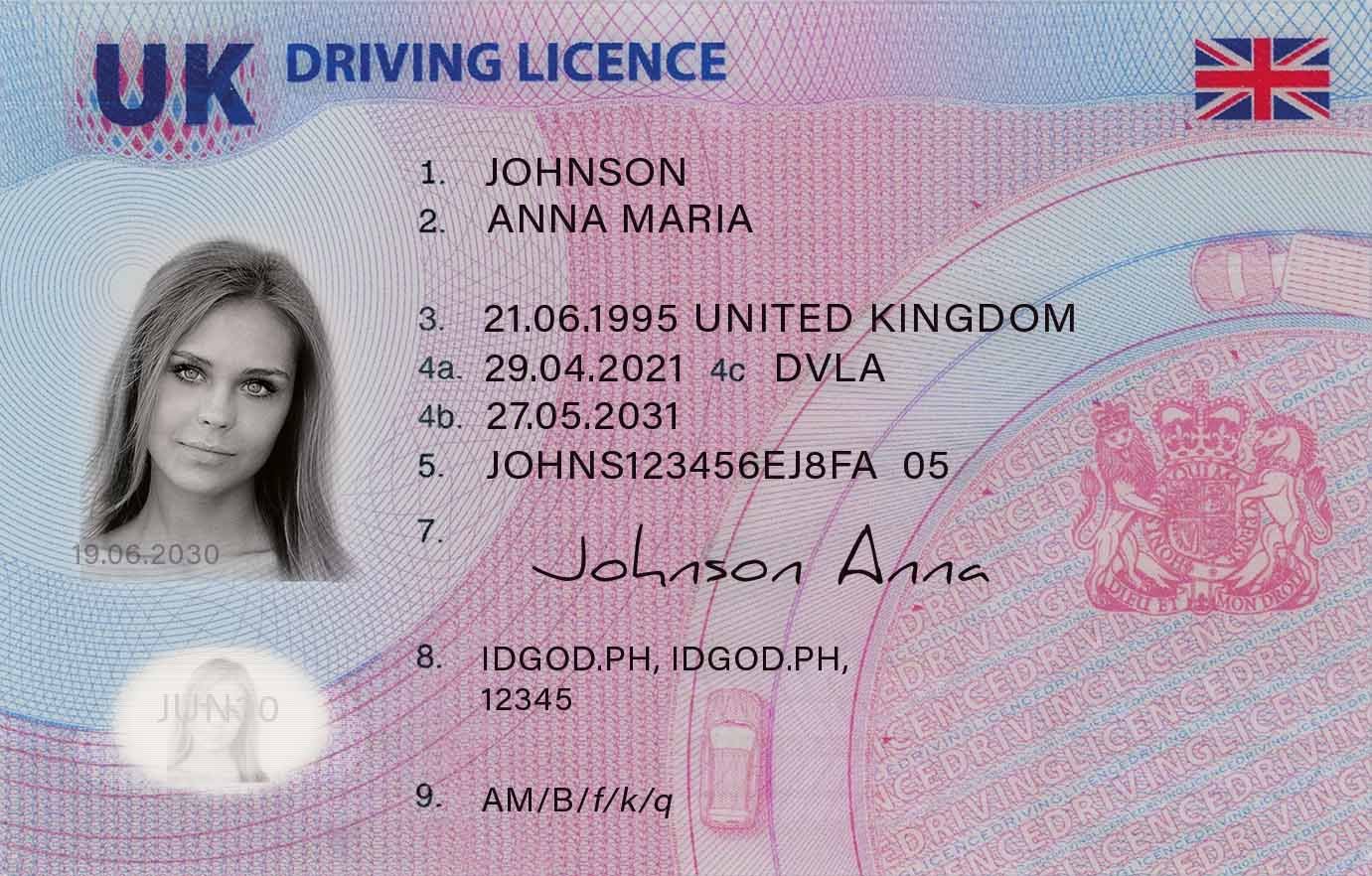
Buy a British Driving License | Drive in UK
Looking to buy a real genuine or a fake UK driver’s license? The UK driving license is an essential document for individuals who wish to drive on public roads in the United Kingdom. It not only authorizes drivers to operate vehicles but also serves as an official form of identification. This guide will walk you through the process of obtaining a U.K. driving license, its different types, the requirements, and how to renew or replace it when necessary.
UK Driving License: A Complete Guide
What is a UK Driving License?
A UK driving license is a legal document issued by the Driver and Vehicle Licensing Agency (DVLA) in the United Kingdom. It certifies that the holder is qualified to drive a motor vehicle on UK roads. There are different types of driving licenses in the UK, depending on the category of vehicle a person is qualified to drive.
Types of UK Driving Licenses
The UK offers different types of driving licenses, which are categorized based on the type of vehicle the holder is allowed to drive:
1. Full UK Driving License
- This is the most common driving license issued to drivers who have passed both the theory and practical driving tests.
- Eligibility: You must be at least 17 years old and pass the driving tests to obtain a full license.
- Categories: A full license can cover a variety of vehicle types, including:
- Category B: Cars, vans, and light vehicles.
- Category A: Motorcycles.
- Category C: Lorries, large vehicles.
- Category D: Buses.
2. Provisional Driving License
- This license allows individuals to drive while they learn and practice under the supervision of a qualified driver.
- Eligibility: You must be at least 17 years old (or 16 if you have a disability) to apply for a provisional license.
- Features: A provisional license holder can drive a car, motorcycle, or other vehicle only if they are accompanied by someone who is over 21 years old and has held a full driving license for at least three years.
3. International Driving License
- If you’re planning to drive abroad, an International Driving Permit (IDP) can be used alongside your UK driving license. The IDP translates your driving credentials into several languages and may be required in some countries.
How to Apply for a UK Driving License
Step 1: Get a Provisional License (if applicable)
Before applying for a full driving license, you must first obtain a provisional driving license. This is the initial step for those who are new drivers.
- Eligibility: You must be at least 17 years old (or 16 years old if you are receiving certain benefits for a disability).
- Documents Required:
- Proof of identity (usually your passport or birth certificate).
- Proof of address (e.g., utility bills or bank statements).
- Your National Insurance number (if applicable).
- Application Process:
- Apply online through the DVLA website or via post using a D1 form available at post offices.
- The application fee for a provisional license is approximately £34 when applying online.
Step 2: Take the Theory Test
To move forward in the licensing process, you need to pass the theory test. The theory test is divided into two parts:
- Multiple Choice Questions: Tests your knowledge of traffic laws, road signs, and safe driving practices.
- Hazard Perception Test: Involves watching video clips of road scenes and identifying potential hazards.
- Booking the Test: You can book the theory test online through the DVLA website.
- Test Fee: The fee for the theory test is approximately £23.
- Passing the Test: You must pass both parts of the theory test before proceeding to the practical test.
Step 3: Take the Practical Driving Test
Once you’ve passed the theory test and have sufficient practice, you can take the practical driving test. This test assesses your ability to control a vehicle, obey traffic laws, and drive safely in various road conditions.
- Booking the Test: The practical driving test can be booked online via the DVLA website.
- Test Fee: The fee for the practical driving test is approximately £62 on weekdays and £75 on weekends.
- What the Test Involves:
- Vehicle safety questions (showing how you would carry out basic vehicle maintenance, such as checking tire pressure, oil levels, etc.).
- Road driving: A driving examiner will assess your ability to safely operate a vehicle on different types of roads, handle junctions, roundabouts, and follow traffic signals.
- Independent driving: You’ll be asked to drive for about 20 minutes using a route based on a set of directions or following road signs, to test your ability to drive without constant direction from the examiner.
- Passing the Test: If you pass, you will be issued a full UK driving license. If you fail, you can retake the test after a certain waiting period.
UK Driving License Categories and Endorsements
Once you have passed the required tests and obtained your full UK driving license, you may be granted permission to drive different categories of vehicles, including:
- Category B: Cars, vans, and light vehicles.
- Category A: Motorcycles (with subcategories for different types of motorcycles based on engine size).
- Category C: Large goods vehicles or lorries.
- Category D: Buses or coaches.
You may also have specific endorsements on your license, which indicate any points accumulated for traffic violations (e.g., speeding, drink-driving) or specific driving restrictions.
- Penalty Points: If you accumulate 12 or more penalty points on your license within 3 years, your license may be revoked.
- Types of Endorsements: Endorsements can appear for offenses like driving under the influence, careless driving, or reckless driving.
Renewing a UK Driving License
UK driving licenses are valid for 10 years for most drivers. You need to renew your license before it expires to continue driving legally.
- Renewal Process:
- You can renew your license online through the DVLA website, by post, or at a Post Office if you meet the necessary conditions.
- The renewal fee is typically £14 when done online.
- You will need to provide proof of your identity (such as your passport) and a passport-style photo for the renewal.
- For Drivers Over 70: Drivers aged 70 or over must renew their driving license every 3 years.
- Medical Conditions: If you have certain medical conditions, you may need to provide medical evidence when renewing your license, such as a doctor’s report.
Replacing a Lost or Stolen UK Driving License
If your UK driving license is lost, stolen, or damaged, you need to report it to the DVLA and apply for a replacement.
- How to Replace Your License:
- Apply online through the DVLA website, or complete a D1 form and submit it by post.
- You will need to pay a £20 fee for a replacement.
- You may also need to provide identification or a police report if your license was stolen.
Benefits of a UK or British Driver’s License
- Proof of Identity: A UK driving license is widely accepted as an official form of identity within the UK.
- Driving Privileges: A full driving licence allows you to drive a variety of vehicles legally on UK roads and in many other countries.
- Access to Rental Cars: You can rent cars in the UK or abroad using your UK driving license.
- Legal Status: It confirms that you have passed the driving tests and are qualified to drive safely on public roads.
- Traveling Within the EU: The UK driving license is recognized by EU countries, allowing you to drive within the EU without needing an international driving permit.
Conclusion
The UK driving license is a key document for anyone wishing to drive in the UK, offering several benefits, including serving as proof of identity and allowing legal access to a wide variety of vehicles. Whether you are applying for your first license, renewing, or replacing a lost one, the process is straightforward as long as you meet the necessary criteria. Having a UK driving license is also beneficial for individuals traveling internationally, as it is recognized in many countries around the world.
Be the first to review “Buy a British Driving License | Drive in UK”
Related products

Buy-driving-license
Buy-driving-license
Buy-driving-license
Buy-driving-license
Buy a US Driver’s License | American Driving Licence for Sale
Buy-driving-license
Buy-driving-license
Buy-driving-license
Buy-driving-license
Reviews
There are no reviews yet.